For many years classrooms looked the same almost everywhere, with three common elements:
- A teacher at the front
- Rows of desks
- Students listening
That model is starting to change; Schools and colleges are increasingly looking at how their environments can support different ways of learning – something universities have been exploring for years. Interestingly, there is now research to support this shift.
What does the research suggest?
One of the most widely referenced studies in education design in the UK, the HEAD Project, analysed the impact on 3,766 pupils in 153 classrooms across 27 schools, finding that the physical environment can account for around 16% of the variation in learning progress. That’s a surprisingly big number.
Elements like layout, lighting, acoustics, comfort and furniture configuration can all play a role in how students learn. Of course, the most important factor will always be great teaching, but the environment clearly helps support it. Classrooms functions best when they foster active student to teacher talking environments.
Engagement and Collaboration
Studies comparing traditional classrooms with more flexible learning spaces show some interesting results. Students tend to:
- Collaborate more
- Be more engaged in lessons
- Interact more positively with their peers
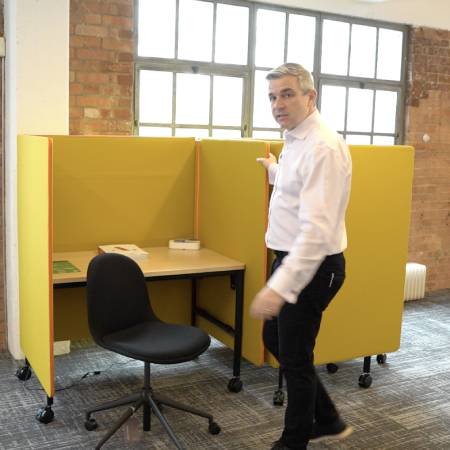
The key is giving students choice in how they work. Some need to collaborate, others need quiet concentration. Providing a variety of options, gives flexibility to the variety of learning styles students have.
Creating Spaces Outside The Classroom
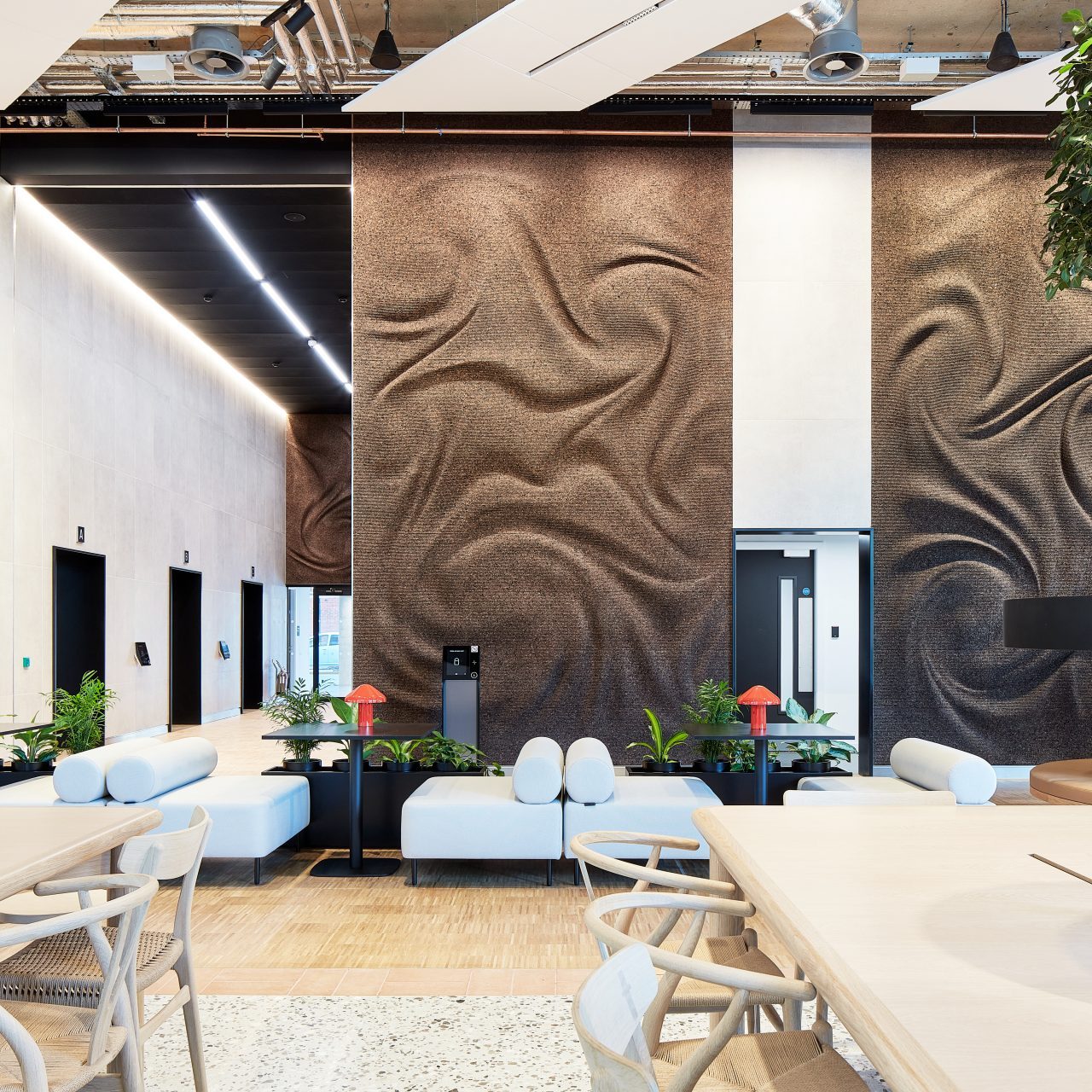
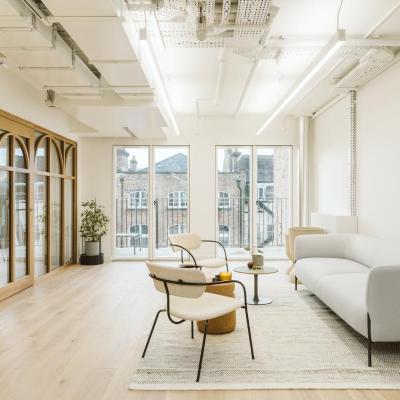
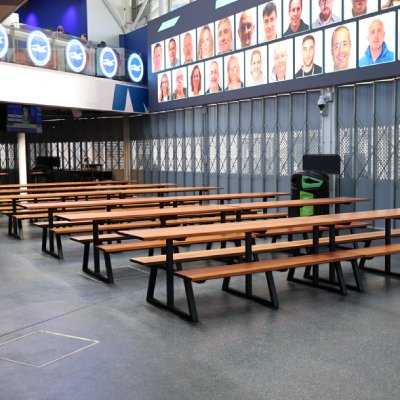
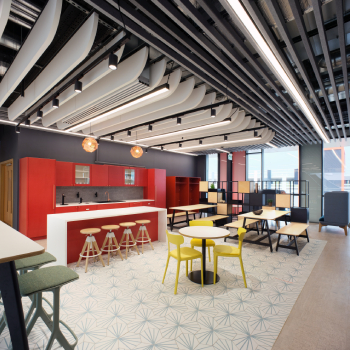
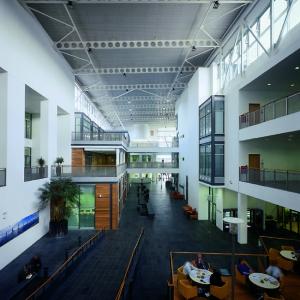
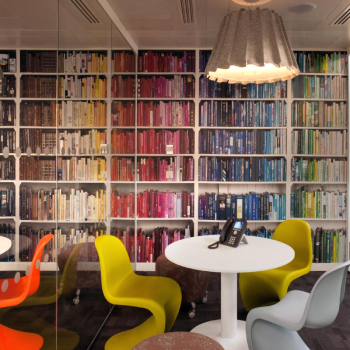
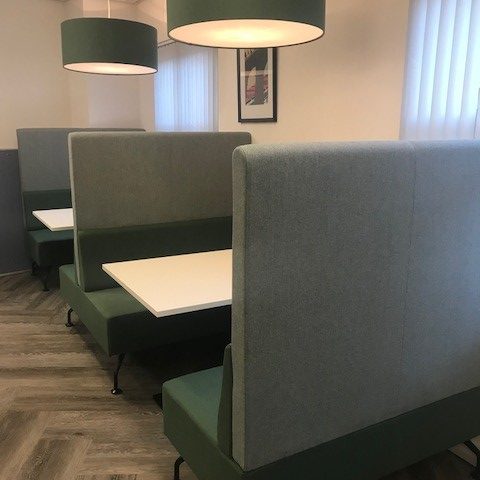
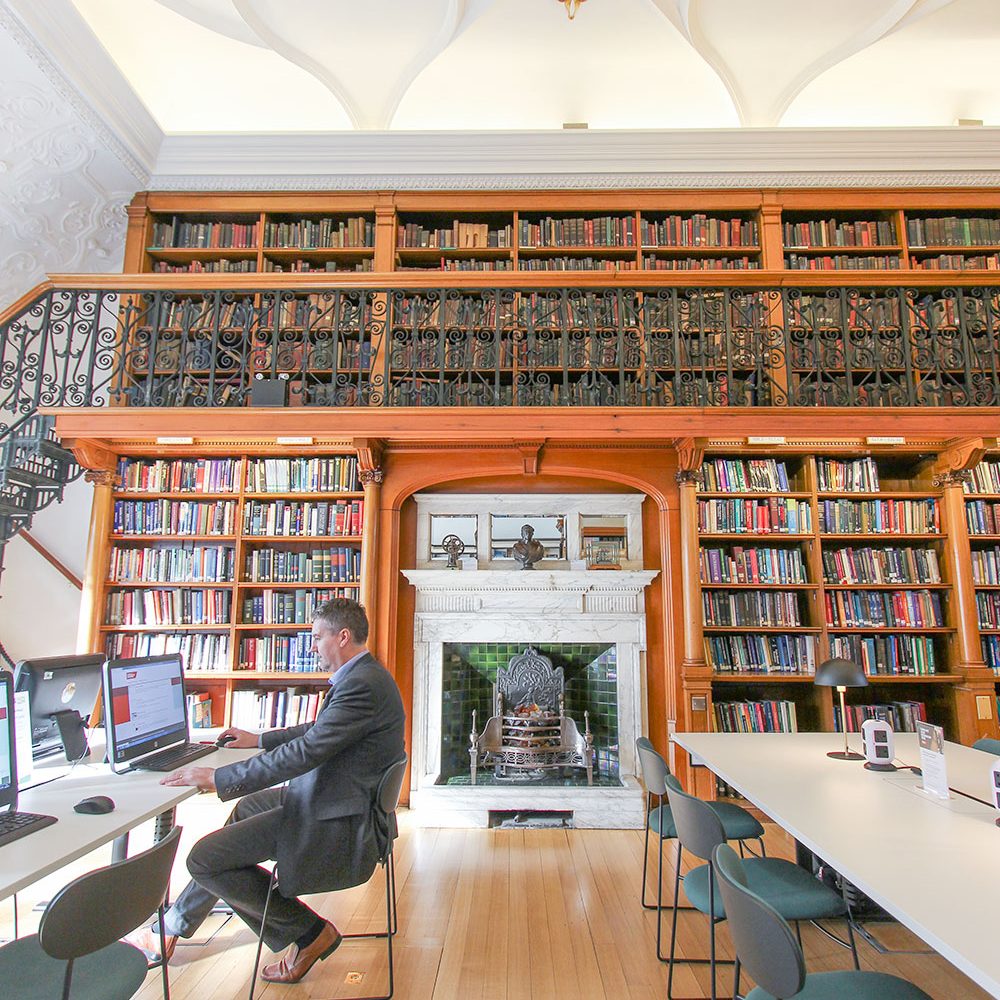
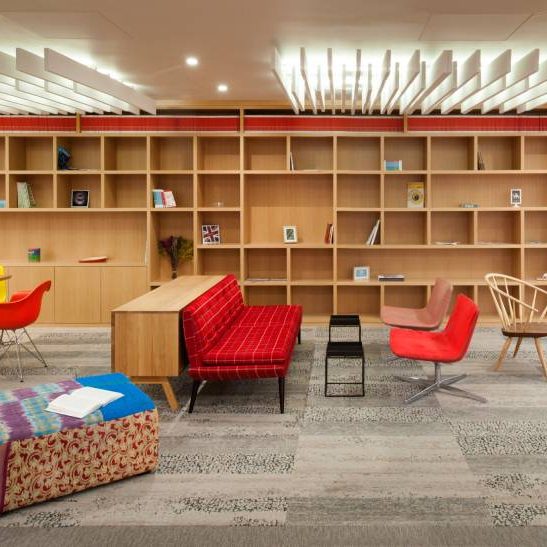
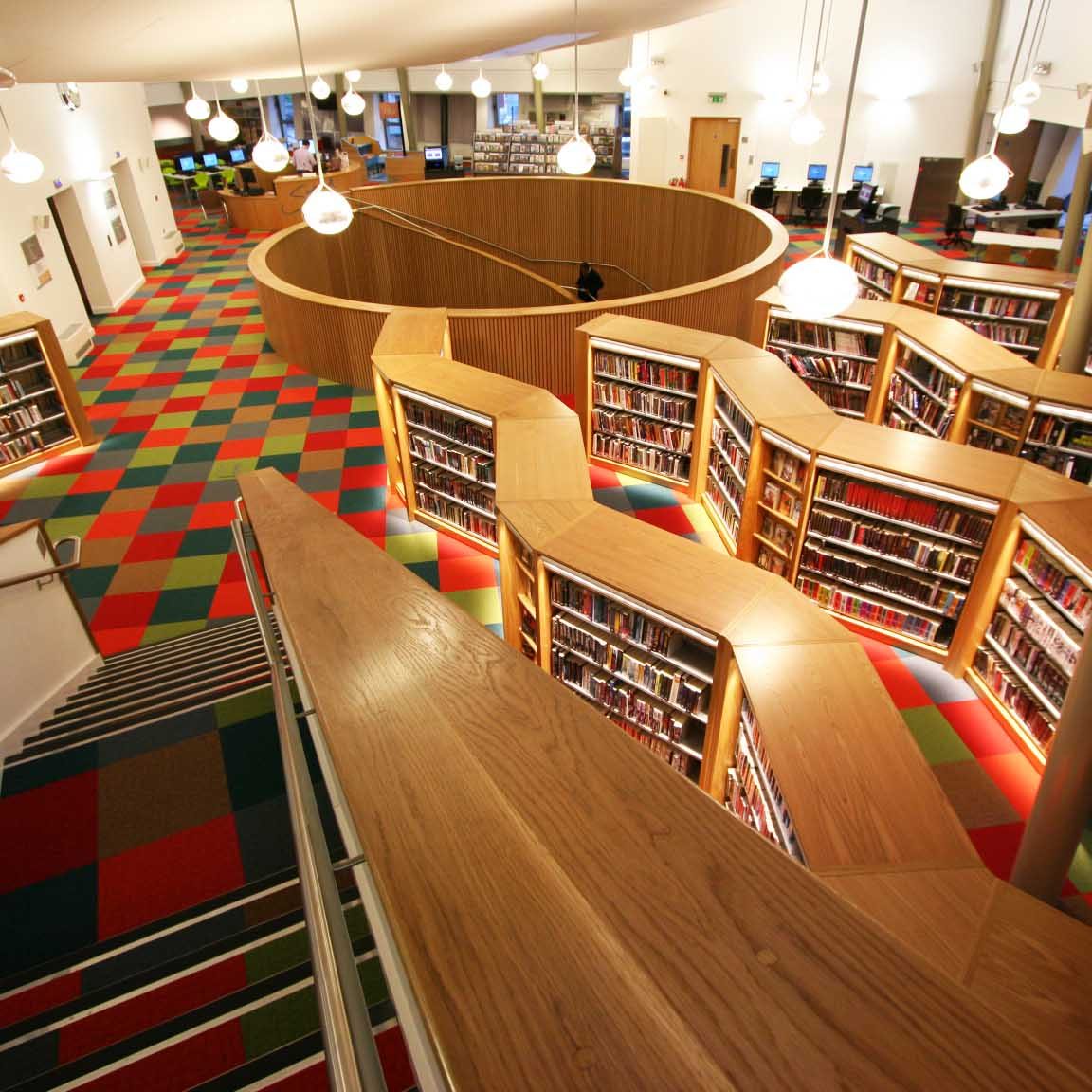
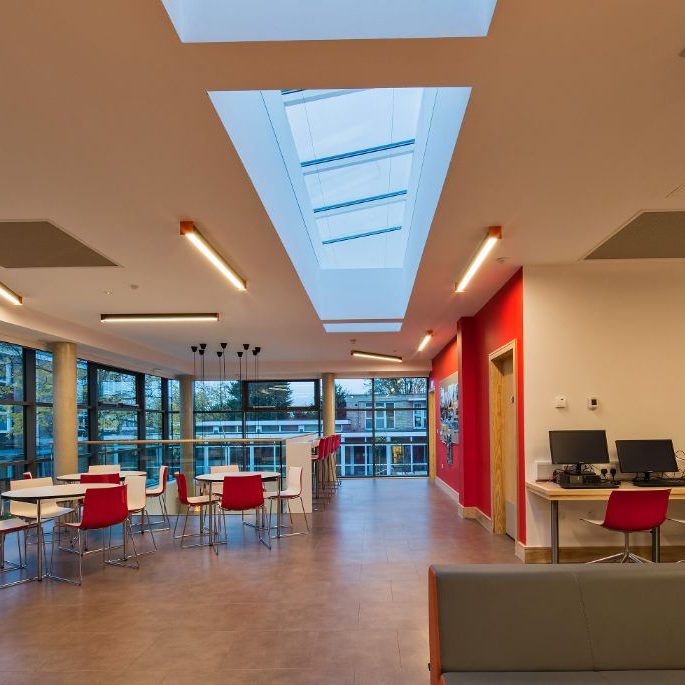
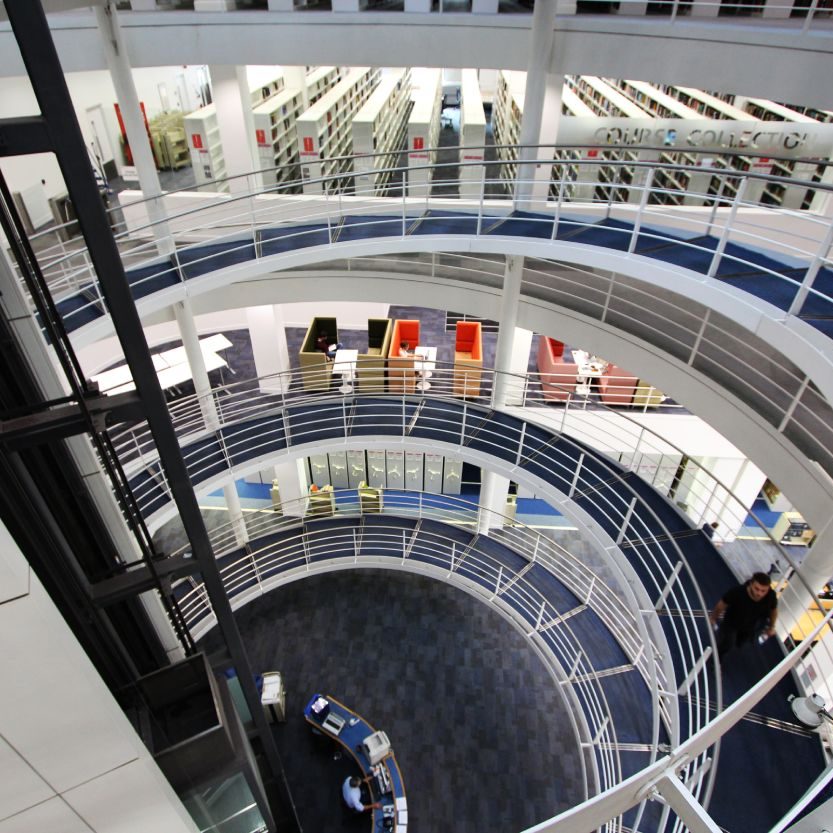
What we’re seeing with many of the schools we work with is that learning now happens throughout the building, not just in classrooms. Libraries, sixth form centres, dining areas and informal study spaces are all becoming part of the learning environment.
At Rainbow we’ve helped schools and colleges create spaces including:
- Libraries
- Sixth form centres
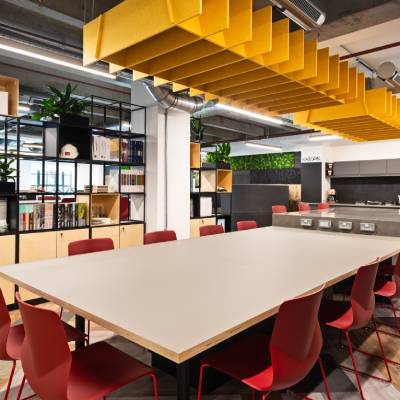
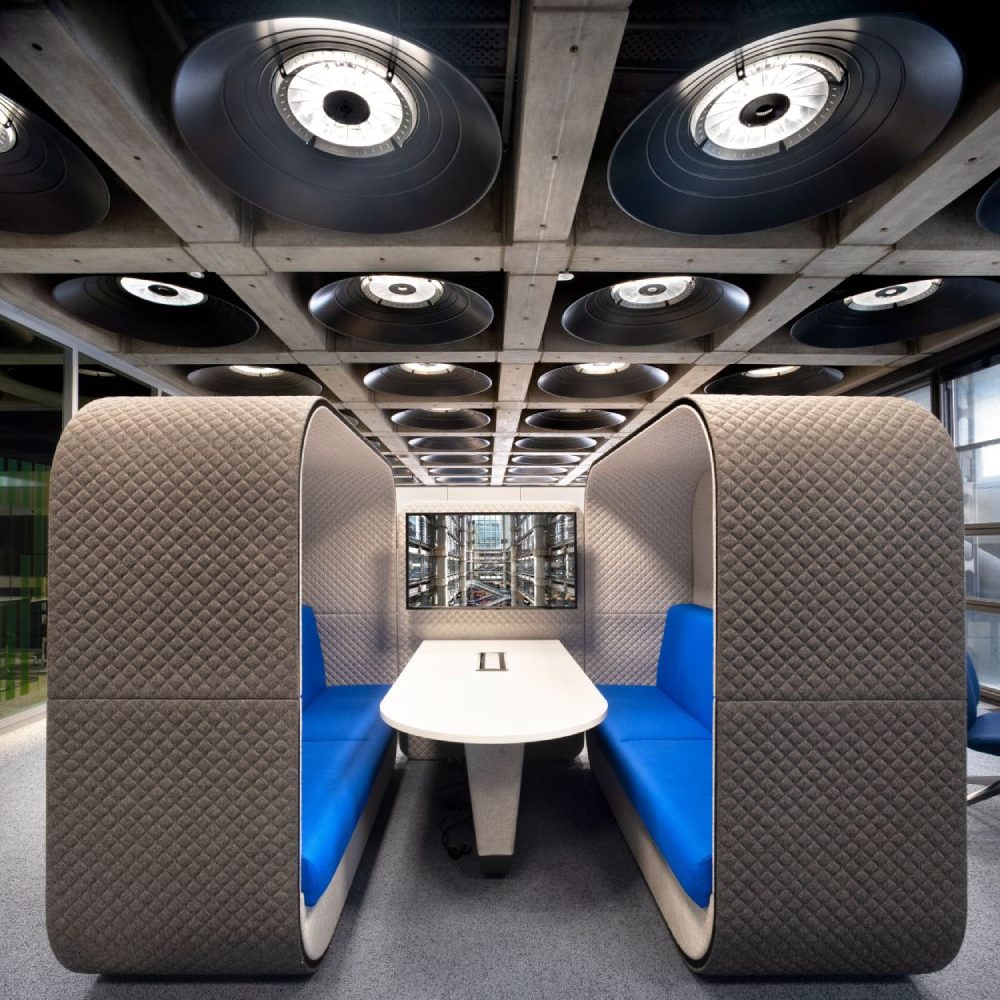
- Collaboration spaces
- Quiet study areas
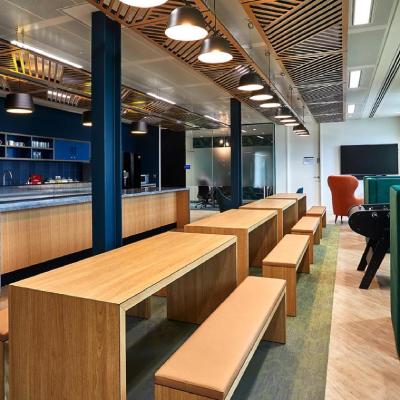
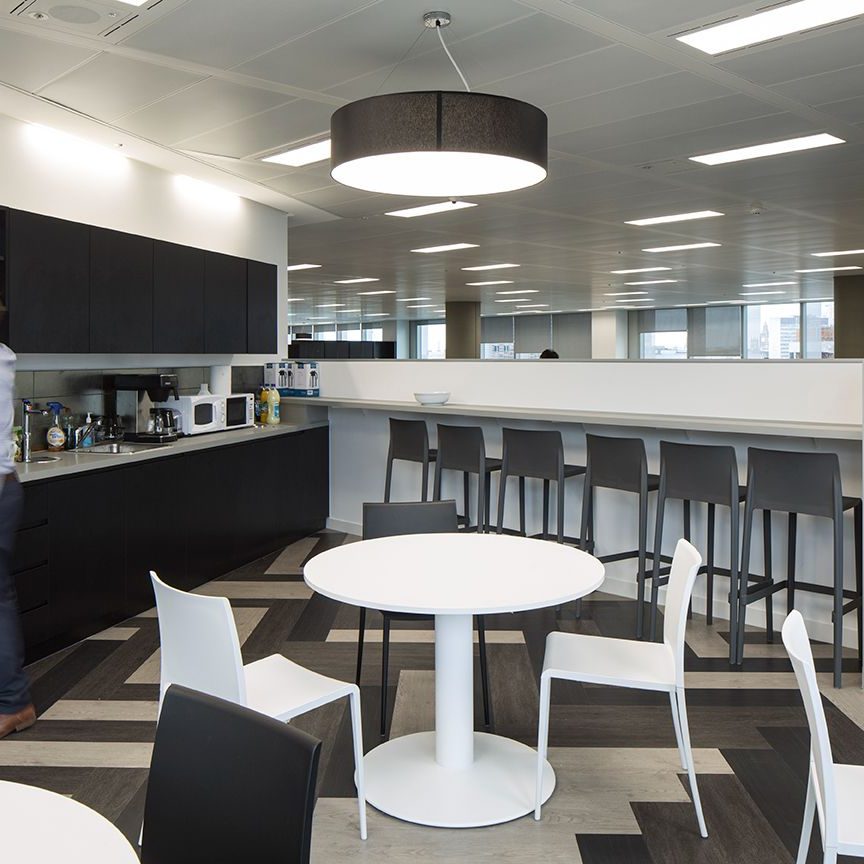
- Dining environments
- Laboratories and prep rooms
- Receptions
- Student wellbeing spaces
Each space supports a different way of learning, to provide the best possible overall environment within the educational establishment for students to develop themselves.
How To Help Schools Create Flexible Spaces
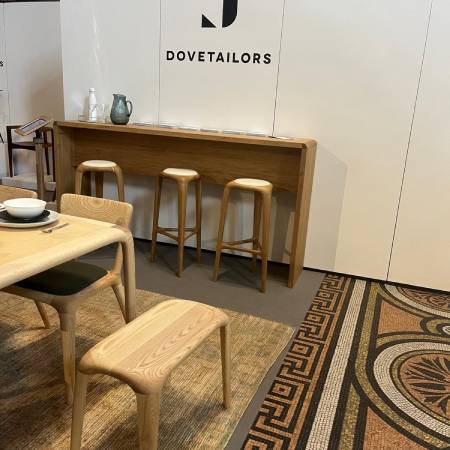
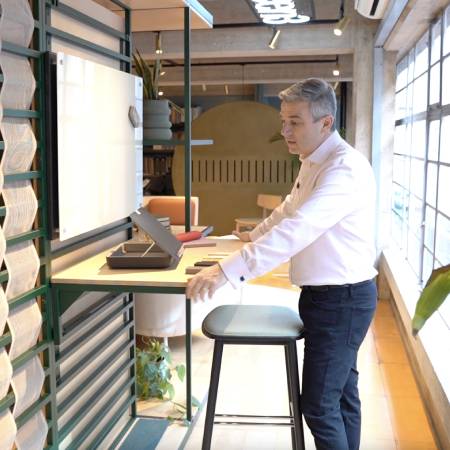
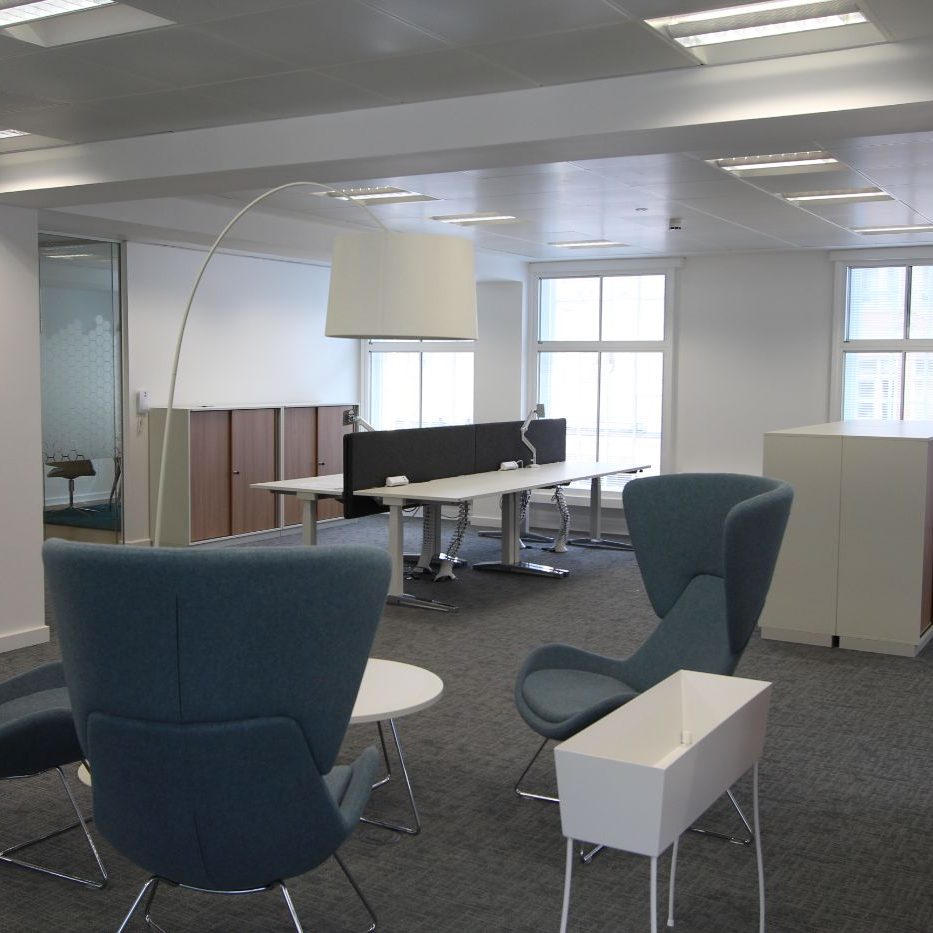
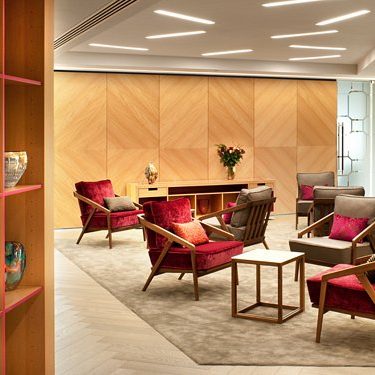
Furniture plays a surprisingly important role in making these spaces work. Flexible layouts, comfortable seating and versatile furniture allow schools to create environments that support collaboration, discussion and quiet concentration.
Many of these spaces include a mix of:
- Group tables
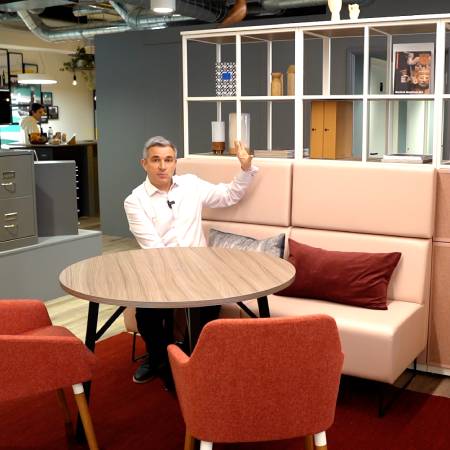
- Soft seating
- Movable furniture
- Different work zones
Many schools are now combining traditional classrooms with these newer environments. Both approaches have their place.
Over the years we’ve helped create a large number of library environments and worked with many schools and colleges, so we’ve seen first-hand how learning spaces are evolving.
At Rainbow we help schools with both approaches – whether that means rethinking a learning space or simply replacing furniture that has done many years of service, with a sustainable alternative.
Ready To Develop Your Learning Space?
If you’re considering how your learning environments might evolve, or if you’re simply looking to refresh or replace existing furniture, we would be very happy to help.