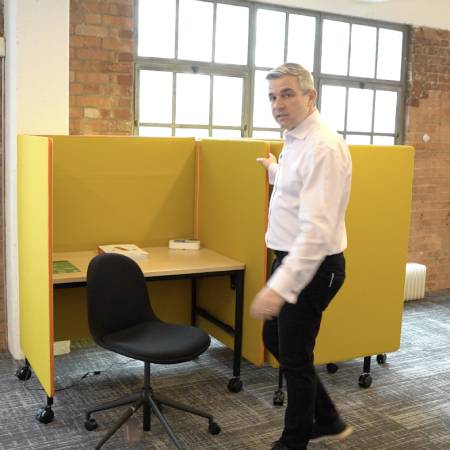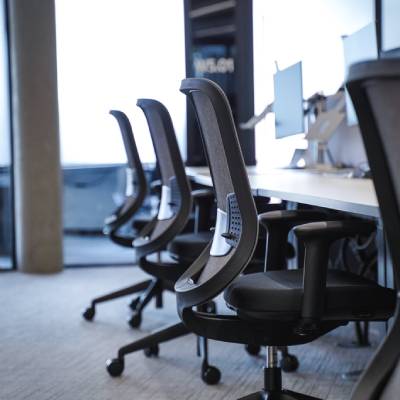
As organisations reconsider the impact of noise and distraction in open-plan environments, greater separation between work settings is beginning to feel relevant again.
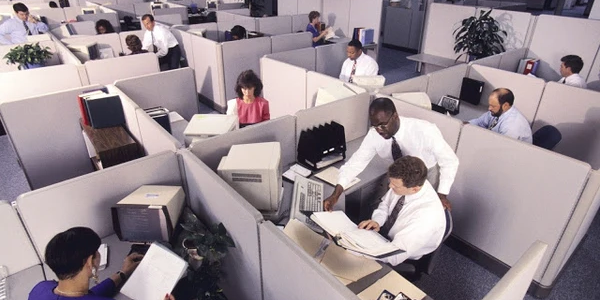
The traditional office cubicles that come to mind are closer to the corporate America of the 80s and 90s than what we had in the UK. In the UK, we never had bullpen offices to the same extent, although there were still rows of desks enclosed within high acoustic walls.
Gen Z are calling for office cubicles to return
The call for office cubicles to return to the workplace is largely from the newest generation to the workplace, Gen Z. Psychotherapist Amanda Macdonald believes a cubicle offers the chance to ‘regulate in their own little place’ – as reported in the Metro ‘Gen Z has learned to understand their own sensory needs, they’re more aware of neurodiverse traits they may have, including how they respond to noise and what they need to do to keep focused.’
There’s a strong argument for bringing back some of the principles behind the cubicle. In its March 2026 article, Noisy spaces, quiet consequences, Leesman reported that noise levels are important to 70% of employees, but only 35% are satisfied with them. Employees dissatisfied with noise were also 46 percentage points less likely to agree that their workplace enabled them to work productively and 45 points less likely to believe it positively affected their wellbeing. The statistics back up the need for quiet and privacy within workplace environments.
Some of the largest differences related to the space between work settings, people moving past workstations and dividers between desks and work areas. This suggests that physical boundaries can make a meaningful difference to privacy, concentration and the overall workplace experience.
Leesman’s The collaboration tilt adds to the argument. It suggests that many post-pandemic workplaces have been designed primarily around interaction and shared activity, while employees whose work requires privacy and deep concentration are receiving a poorer workplace experience.
However, this doesn’t necessarily mean returning to entire floors of enclosed cubicles. The workplace continues to play an important role in connection, learning and those unplanned conversations that happen organically. Leesman’s The loneliness behind the flexibility found that office environments provide stronger support for informal social interaction and learning from others than working from home. Too much separation could make these valuable exchanges more difficult.
It’s best not to go from one extreme to the other. The evidence points towards balance rather than a complete return to the past. Collaboration-led offices can still be effective with greater acoustic control, workstation options and delineation, but people also need places where they can connect and work together. People need the variety of choice.
Variety is the clear solution
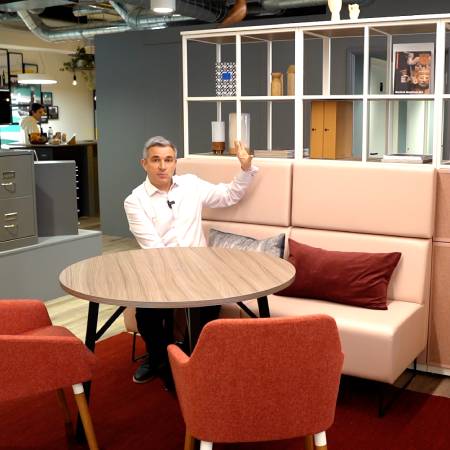
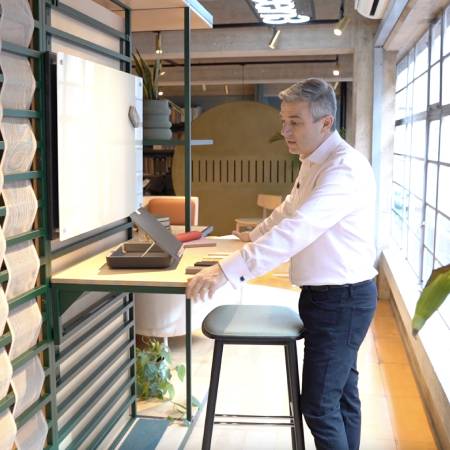
A considered workplace should combine open collaborative areas with quiet zones, small rooms for calls, acoustic screens, pods, high-backed furniture and a selection of partially enclosed workstations. An effective workspace should incorporate furniture to cover every type of working, that can suit every type of need.
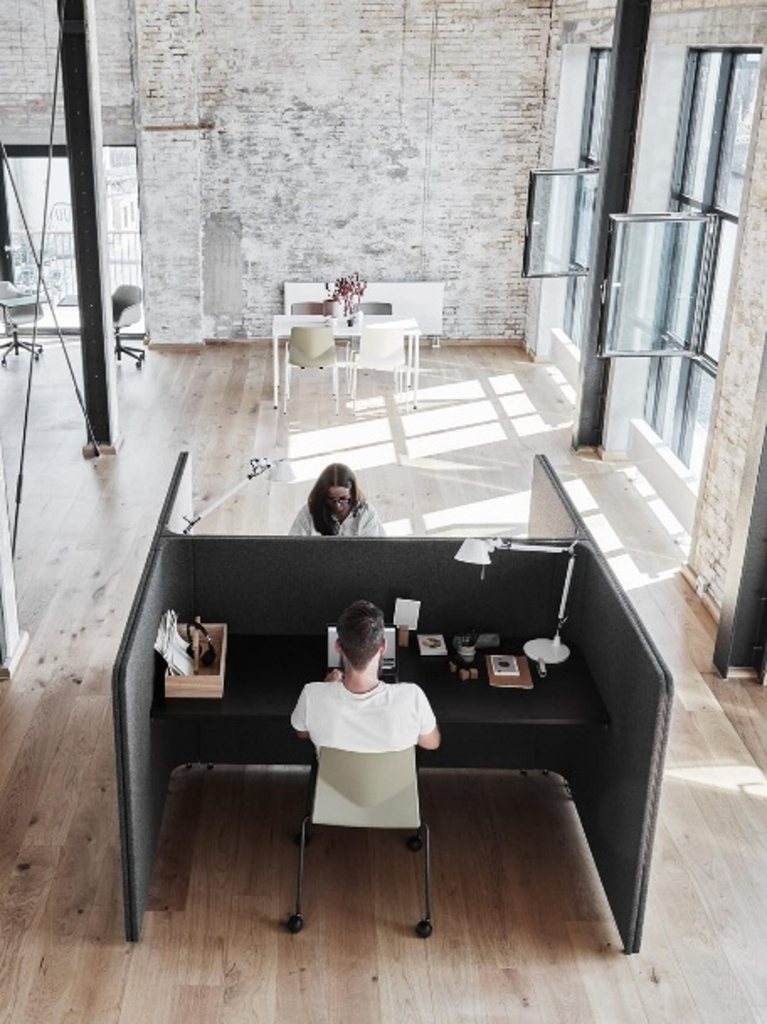
Where cubicle-style working is appropriate, Rainbow can procure a range of contemporary cubicle systems, pods, workstation booths and screened workstation options from its manufacturer network.
So, are office cubicles making a comeback?
Not exactly. What appears to be returning is a greater appreciation for boundaries and careful delineation – thoughtfully incorporated into workplaces that still allow people to choose how and where they work best.